V-Go Patch
Meter
Summary
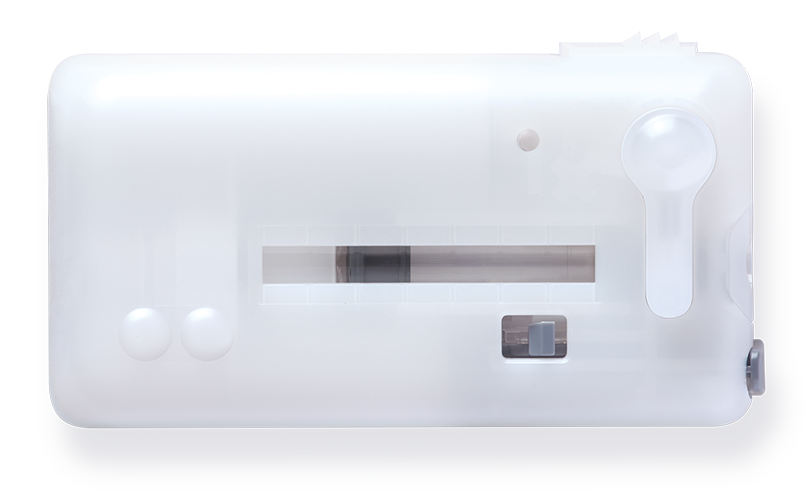
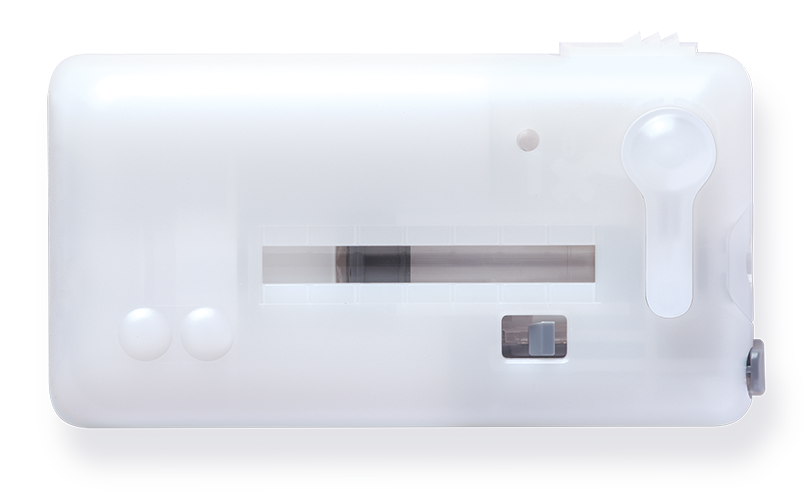
V-Go is a convenient credit card-size patch pump that adheres to the skin and can be worn for 24 hours. This system is designed to be used with fast-acting insulin for people with type 2 diabetes who require 20, 30, or 40 units of insulin per day. Users can administer two units of insulin with every press of a button on the device. This device is a hybrid between injections and an insulin pump to allow for discreet dosing without the need for programming or multiple injections.
FDA-approved for people 21 years of age and older with type 2 diabetes.
Good to have. Tried and true. Backup or day to day. Fingersticks required.
Components
Patch
Wearable insulin patches come with reservoirs and directions for application. They can be applied on the abdomen.
Glucometer
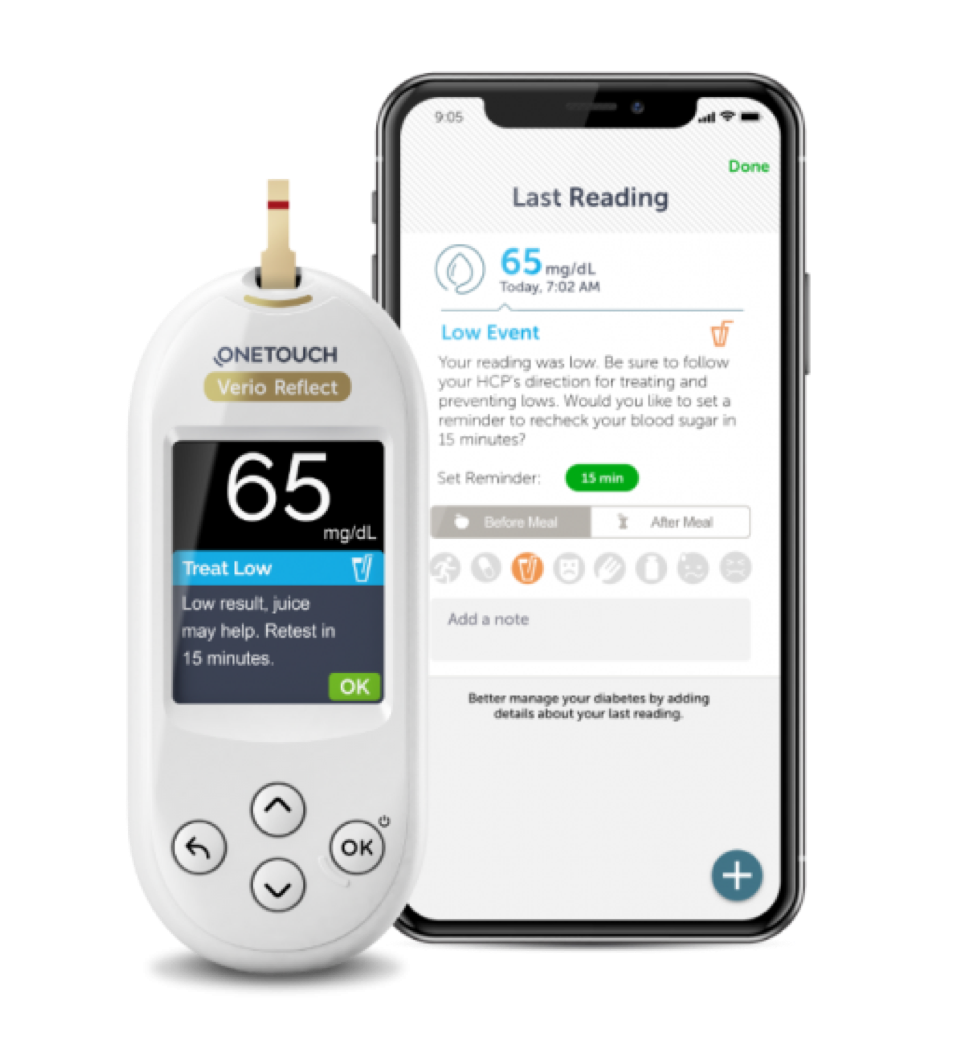
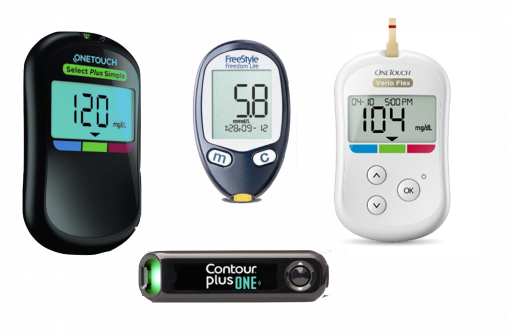
The meter measures the amount of sugar in the small sample of blood that is placed on the disposable test strip. Most CGMs require testing blood sugar with a meter to calibrate the CGM device daily.
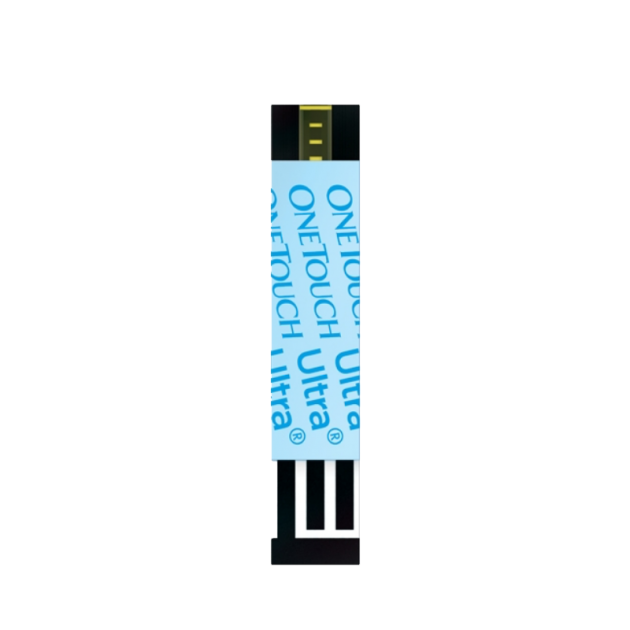
Test Strips
The strips work with the glucose meters to “read” blood sugar levels. One box of test trips usually contains between 25-50 single use strips.
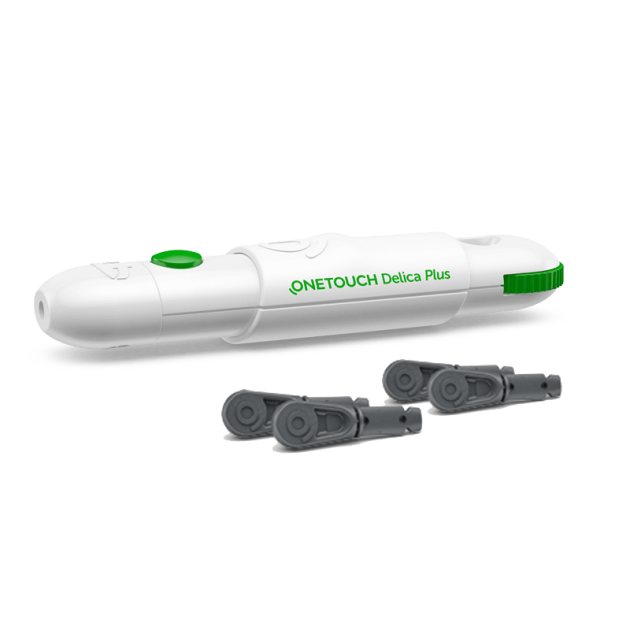
Lancets
Tiny needle called a lancet is used to poke the skin (on a finger or on your arm) to get a small sample of blood. The lancing device is packaged with the glucometer.
Device Details
Overview
Convenient, discreet, and simple use.
Good to have. Tried and true. Backup or day to day. Finger-sticks required.
Affordability and Access
$$$$
Widely covered for insulin-dependent type 2. Supplies provided by DME or pharmacy. Price range; $0-$250/Month.
$$$$
Most accessible. Available over the counter at all Pharmacies. Price range; $0-$200/month depending on insurance coverage.
Data Monitoring Options
No Options
Limited Options
Data is available directly on the device. Some meters may be compatible with the Tidepool data management system.
Data View Options
No Options
Yes
Data may be viewed directly on the device. Some meters contain a built-in USB connection that allows information to be uploaded to a data management system.
Duration and Storage
24-Hours
Patch can be worn for up to 24 hours and works in most temperatures (not for use in hot tubs, saunas, or freezing conditions). Does not require batteries or recharging.
Daily
Meters can last several years with battery changes/charging, they're used daily and work between 65ºF-86°F
Vision / Auditory / Dexterity
NO text to speech
NO vibration alerts
A LOT of dexterity needed
NO text to speech
NO vibration alerts
A LOT of dexterity needed
Patient Considerations
Active Lifestyle
Limited Adjustability. No way to adjust long-acting insulin for higher activity on the fly, but the device is water-resistant.
Must pause activity to check blood sugar.
Avoiding Highs and Lows
Limited customizability. System requires manual dose adjustment and limits the ability to adjust insulin levels throughout the day.
Less data. Meters don't give as much blood sugar data as sensors do and require a high level of engagement and effort to avoid highs and lows.
Comfort
Free of tubing. Patches do not have tubing, but it must be worn in areas that are easy to reach for insulin dosing.
Meter supplies carried and requires visible blood.
Easy Insulin Dosing
Simple with few steps. 24-hour bolus range: up to 36 units per 24 hours, doses in 2-unit increments. Preset basal rate of 20, 30, or 40 units per 24 hours.
Limited features. No info on blood sugar trends.
Easy to Use
Simple with few steps. Patch is replaced every 24-hours with insulin administered at the click of a button.
Large display. Device typically has large display numbers for easier readouts, and it's very simple to operate.
Fewer Fingersticks
Frequent finger-sticks are required.
Frequent fingersticks are unavoidable.
Privacy
Hideable. Bulkier patch pump, but not as noticeable as injections. Bolus button can be used discreetly through clothing.
No attached device for blood glucose monitoring.