Meter
Instinct sensor, made by Abbott, for MiniMed 780G
Summary
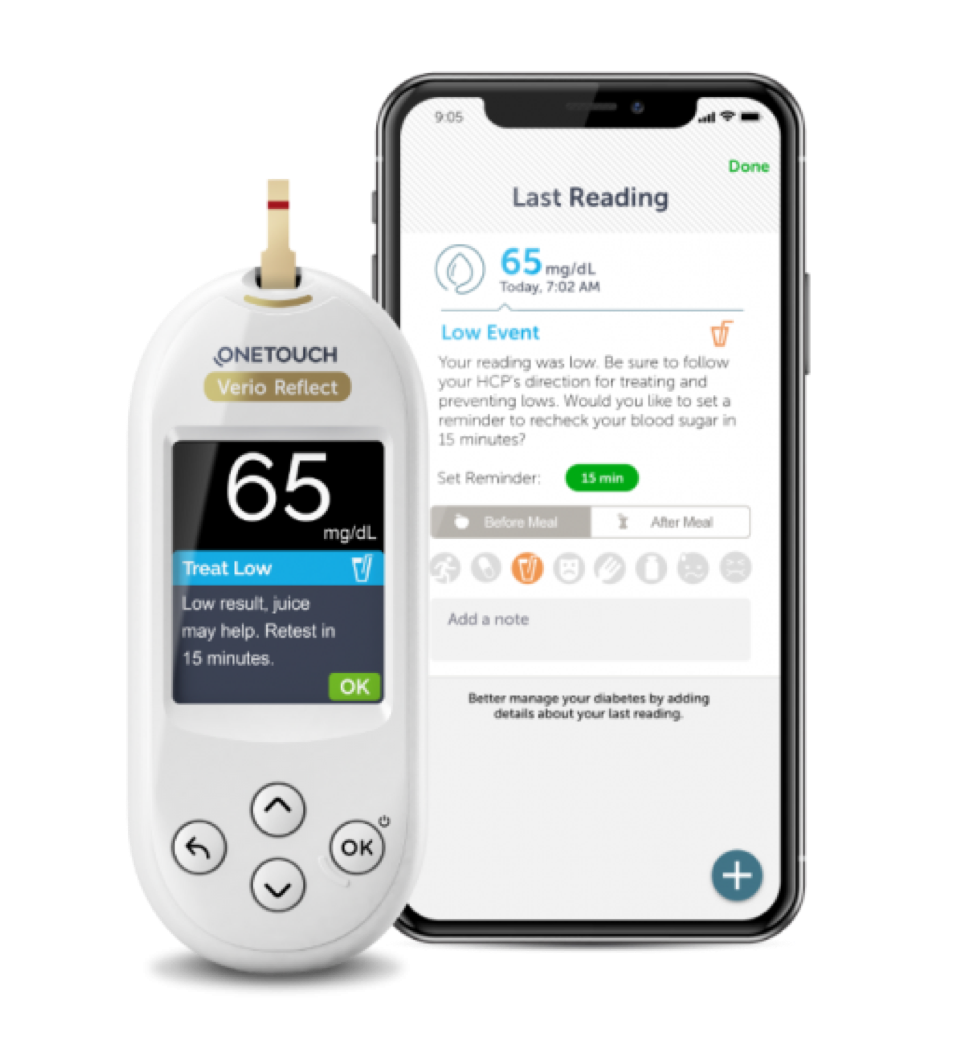
Good to have. Tried and true. Backup or day to day. Fingersticks required.
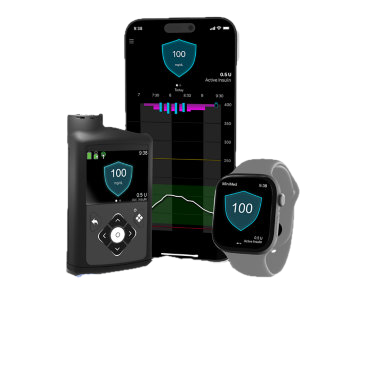
This is a CGM sensor made by Abbott, exclusively designed for MiniMed 780G system. It will work with MiniMed 780G and related systems. Wear time is up to 15 days, and warm-up is ~1 hour. Fingersticks are not required in closed-loop mode.
FDA approved for ages 7+ for use on the upper arm (back of upper arm)
MARD of ~8.5%
Components
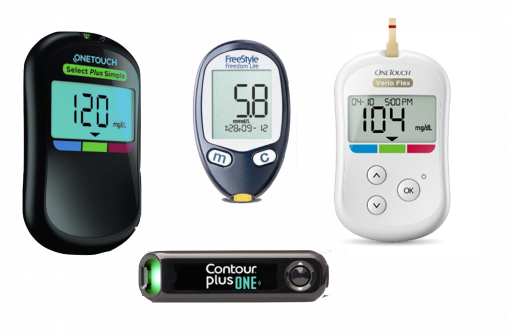
Glucometer
The meter measures the amount of sugar in the small sample of blood that is placed on the disposable test strip. Most CGMs require testing blood sugar with a meter to calibrate the CGM device daily.
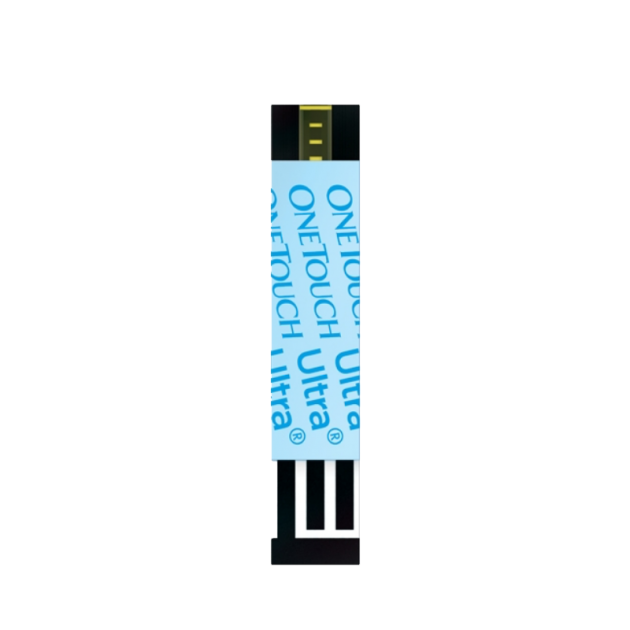
Test Strips
The strips work with the glucose meters to “read” blood sugar levels. One box of test trips usually contains between 25-50 single use strips.
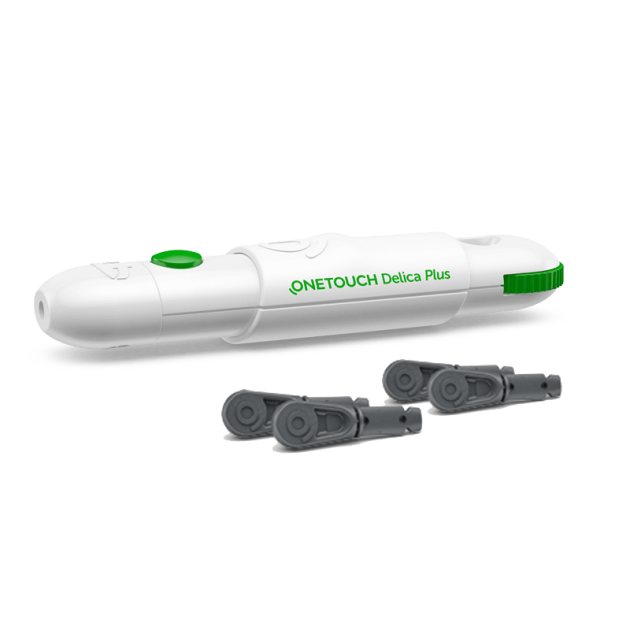
Lancets
Tiny needle called a lancet is used to poke the skin (on a finger or on your arm) to get a small sample of blood. The lancing device is packaged with the glucometer.
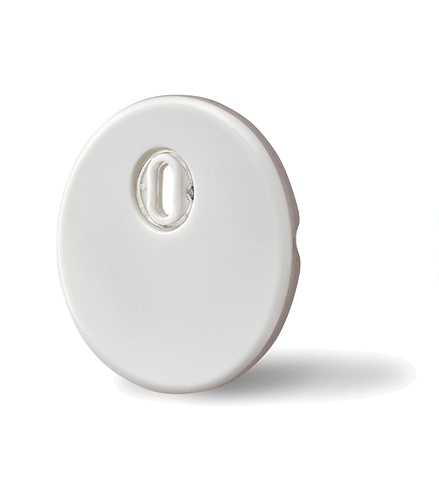
Sensor
Sensor uses a thin, flexible filament beneath the skin to continuously measure glucose every 5 minutes. Simple, one-step applicator makes insertion fast and easy.
Device Details
Overview
Good to have. Tried and true. Backup or day to day. Finger-sticks required.
Compact all-in-one sensor sensor, made by Abbott, exclusively designed for MiniMed 780G system.
Affordability and Access
$$$$
Most accessible. Available over the counter at all Pharmacies. Price range; $0-$200/month depending on insurance coverage.
$$$$
Coverage will depend on insurance policies and Medtronic’s rollout plan
Data Monitoring Options
Limited Options
Data is available directly on the device. Some meters may be compatible with the Tidepool data management system.
Yes
Data streams directly to the pump; users and clinicians can view trends and logs via Medtronic’s platforms.
Data View Options
Yes
Data may be viewed directly on the device. Some meters contain a built-in USB connection that allows information to be uploaded to a data management system.
Yes
Data view directly on your connected pump or smart device.
Duration and Storage
Daily
Meters can last several years with battery changes/charging, they're used daily and work between 65ºF-86°F
15 Days
Sensors last up to 15 days and need about 1 hour to warm up. They work between 50ºF – 113ºF and should be stored between 36ºF – 82ºF. They are usually shipped in 1–3 month supplies, which is about 2–6 sensors at a time.
Vision / Auditory / Dexterity
NO text to speech
NO vibration alerts
A LOT of dexterity needed
YES text to speech
YES vibration alerts
Multiple sound sources
SOME dexterity needed
Patient Considerations
Active Lifestyle
Must pause activity to check blood sugar.
Long wear & water resistant. Longer wear reduces change burden; sensor design aims for robustness with movement. Water-resistant up to 3 feet (1 m) for 30 minutes (same standard as FreeStyle Libre family).
Avoiding Highs and Lows
Less data. Meters don't give as much blood sugar data as sensors do and require a high level of engagement and effort to avoid highs and lows.
Continuous closed-loop insulin adjustment helps maintain tighter control.
Comfort
Meter supplies carried and requires visible blood.
Small & Discreet. Very small, discreet form factor, and minimal bulk.
Easy Insulin Dosing
Limited features. No info on blood sugar trends.
MiniMed 780G closed-loop algorithm: adjusts basal and delivers automatic correction boluses using sensor data. Longer wear (15 days) means fewer interruptions in automated dosing. In manual mode, it still requires fingerstick confirmation before dosing from sensor values.
Easy to Use
Large display. Device typically has large display numbers for easier readouts, and it's very simple to operate.
Longer sensor life and shorter warm-up (~1 hour) help with convenience.
Fewer Fingersticks
Frequent fingersticks are unavoidable.
Factory-calibrated sensor. Finger sticks needed for backup only.
Privacy
No attached device for blood glucose monitoring.
Small & Customizable. Extremely small (about the size of two stacked pennies), designed to be less noticeable under clothing. Upper arm site only; discreet but still visible with sleeveless clothing. Alerts can be customized on the connected pump for quieter use.