Afrezza
Eversense
Summary
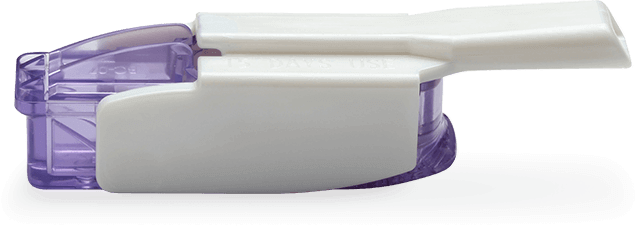
Inhalable regular human insulin. Cartridges come in three doses: 4, 8, and 12-unit doses.
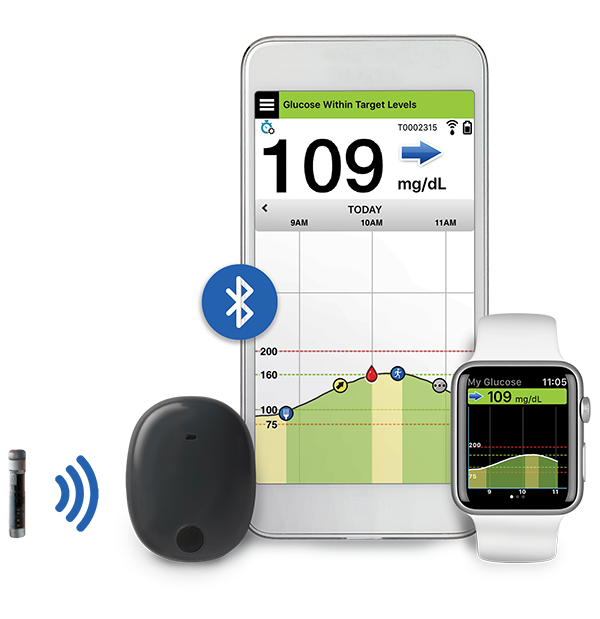
This sensor lasts the longest - 365 days. It has to be placed under the skin by a healthcare provider. It has two parts, the implantable sensor and a transmitter that sends data to a mobile device.
MARD: 8.5-9.1%
*Recently FDA approved for use with insulin pumps.
Components
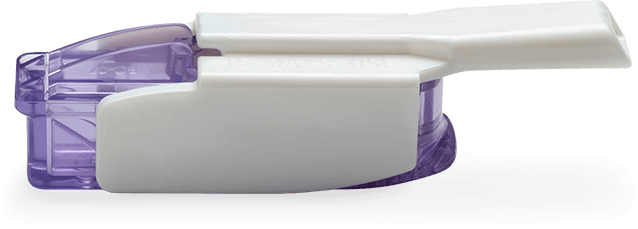
Inhaler
Small refillable inhaler contains a compartment for powdered insulin containing cartridges.
Cartridge
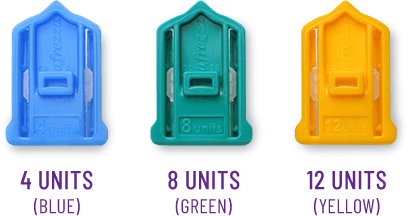
Cartridges come in three doses: 4, 8, and 12-unit doses. All color coded.
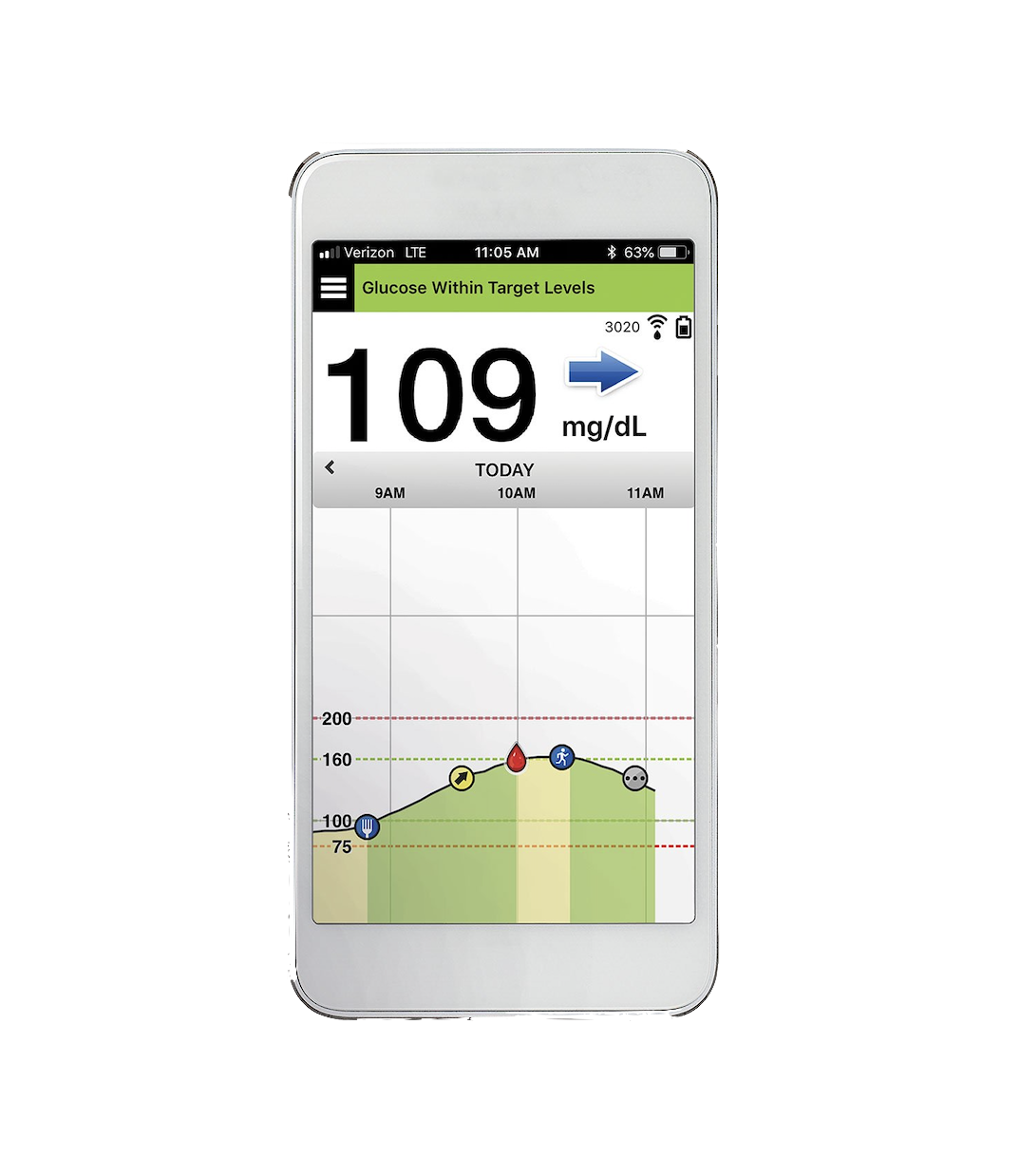
Receiver
Real-time glucose measurements sent to a compatible mobile-device or smart watch. No need for a separate receiver. Available for both iOS and Android devices.
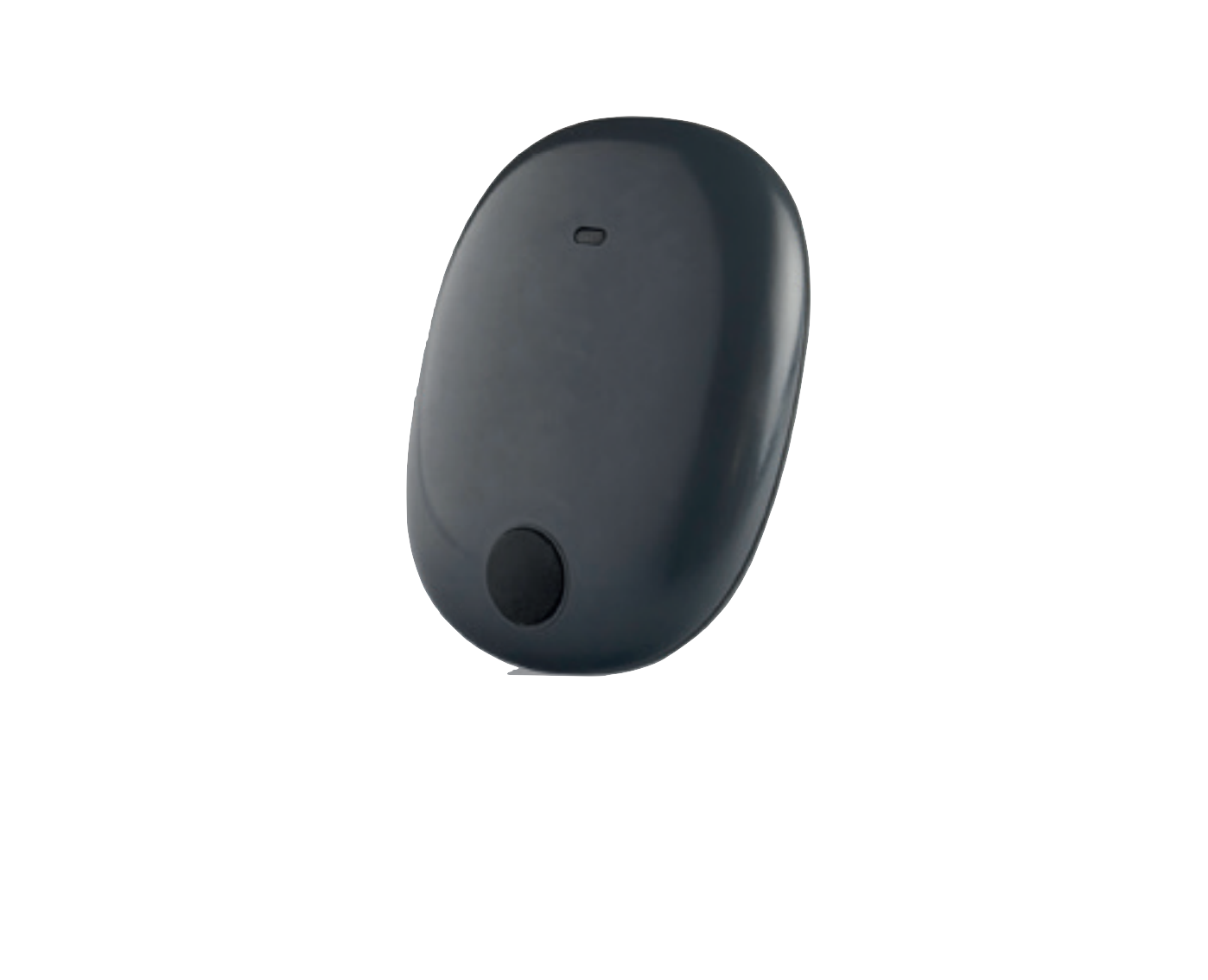
Transmitter
Transmitter sits outside of the body and is held on by an adhesive. Sends data every 5 minutes to a connected mobile device.
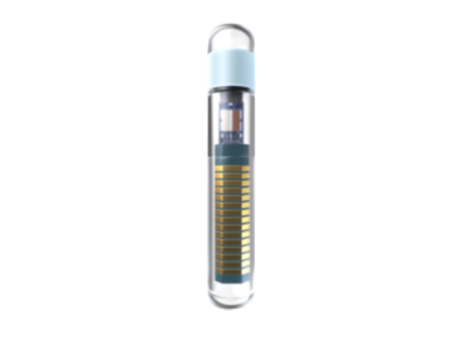
Sensor
Professionally inserted by a physician during a medical visit. Minor procedure.
Device Details
Overview
Nothing on the body when not in use. Visible when dosing.
Very small implantable sensor but large transmitter must be worn on top of the skin.
Affordability and Access
$$$$
Widely covered. Price range; 0-$99/month, depending on insurance coverage. $35/month for medicare and commercial insurance plans.
$$$$
Sometimes covered. Insertion and removal require a Health Care Provider. Insertion costs $100-$300, and removal costs $100-$400. Sensor and transmitter cost $800-$1400.
Data Monitoring Options
No Options
Yes
CGM data can upload automatically to the web-based Eversense data management system (EDMS) from the Eversense mobile app.
Data View Options
No Options
Yes
Eversense mobile app receives and displays data in easy-to-read charts and graphs that can be shared with family and friends through the Eversense NOW app.
Duration and Storage
10 Days
Open cartridges last up to 10 days. Sealed cartridges may be stored in a refrigerator at 36°F - 46°F until the expiration date.
365 Days
Sensor lasts 365 days, but a physician must implant it. Transmitter must be charged daily.
Vision / Auditory / Dexterity
NO text to speech
NO vibration alerts
LITTLE dexterity needed
YES text to speech
YES vibration alerts
SOME dexterity needed
Patient Considerations
Active Lifestyle
Body free of devices. Does not remain attached to the body.
Water-resistant transmitter when submerged in 1 meter of water for up to 30 minutes and must be within 25 feet of the connected smart device.
Avoiding Highs and Lows
Very short-acting. Absorbs quickly through the lungs to correct high blood sugar but requires attention to prevent lows.
On-body vibration alerts when blood glucose levels are higher or lower than the set range. Trend arrows show the direction glucose is heading, with the rate of change.
Comfort
Many components. Have to carry multiple cartridges that can be bulky.
Longest-lasting sensor fits comfortably under the skin. Minor procedure is required. Least likely to have compression lows.
Easy Insulin Dosing
Less precise but easy dosing. Dosing may be less precise due to the inhaled method of dosing, but color-coded cartridges make dosing easier. Dosing can also be done based on small, medium, or large meals and can be administered 1-2 hours post meals.
Predictive alerts make insulin dosing easier by tracking high and low trends.
Easy to Use
Simple design. Whistle-like device for inhaling insulin.
Minor procedure. Requires insertion by a physician during a medical visit.
Fewer Fingersticks
Frequent finger-sticks are required.
2 daily finger-sticks are needed to calibrate the sensor.
Privacy
Hideable. Small, discreet, and portable device that's not as noticeable as injections.
Somewhat discreet. Tiny sensor is implanted under the skin, so the user can be discreet when needed. Ability to see sugar on watch or phone. Sensor not movable on body and requires regular meter use.