Medtronic Simplera Sync
Eversense
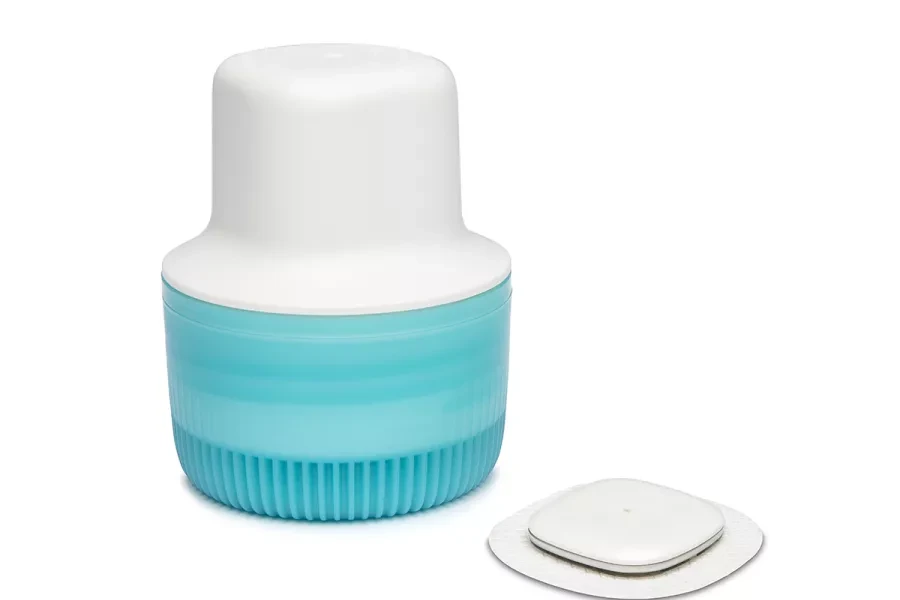
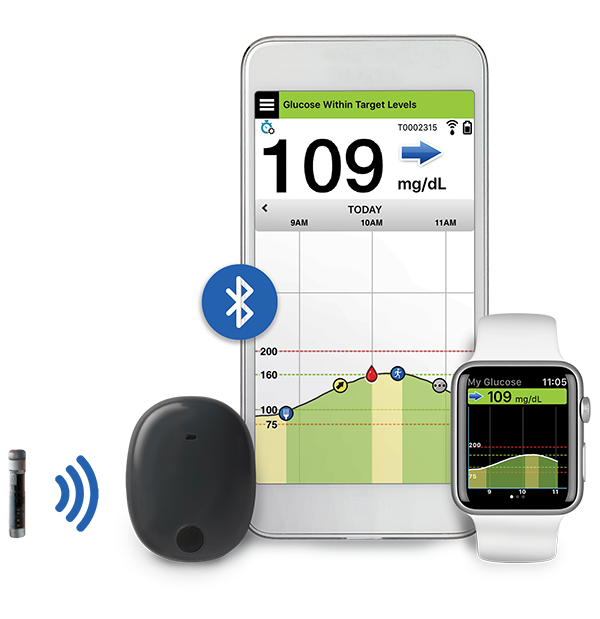
Summary
This is a disposable, all-in-one CGM sensor integrated with Medtronic’s pump systems (e.g., MiniMed 780G). Typical wear time is 6 days, plus a 24-hour “grace period.” No routine fingersticks are required when the device is in closed-loop/SmartGuard mode.
FDA approved for ages 7+ on the back of the upper arm
MARD of ~9%
This sensor lasts the longest - 365 days. It has to be placed under the skin by a healthcare provider. It has two parts, the implantable sensor and a transmitter that sends data to a mobile device.
MARD: 8.5-9.1%
*Recently FDA approved for use with insulin pumps.
Components
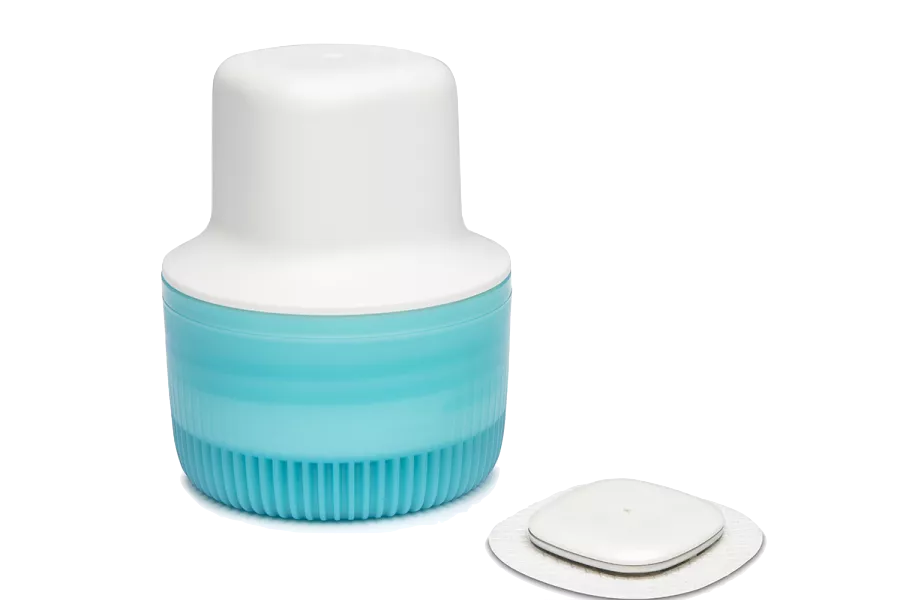
Sensor
Sensor uses a thin, flexible filament beneath the skin to continuously measure glucose every 5 minutes. Simple, one-step applicator makes insertion fast and easy.
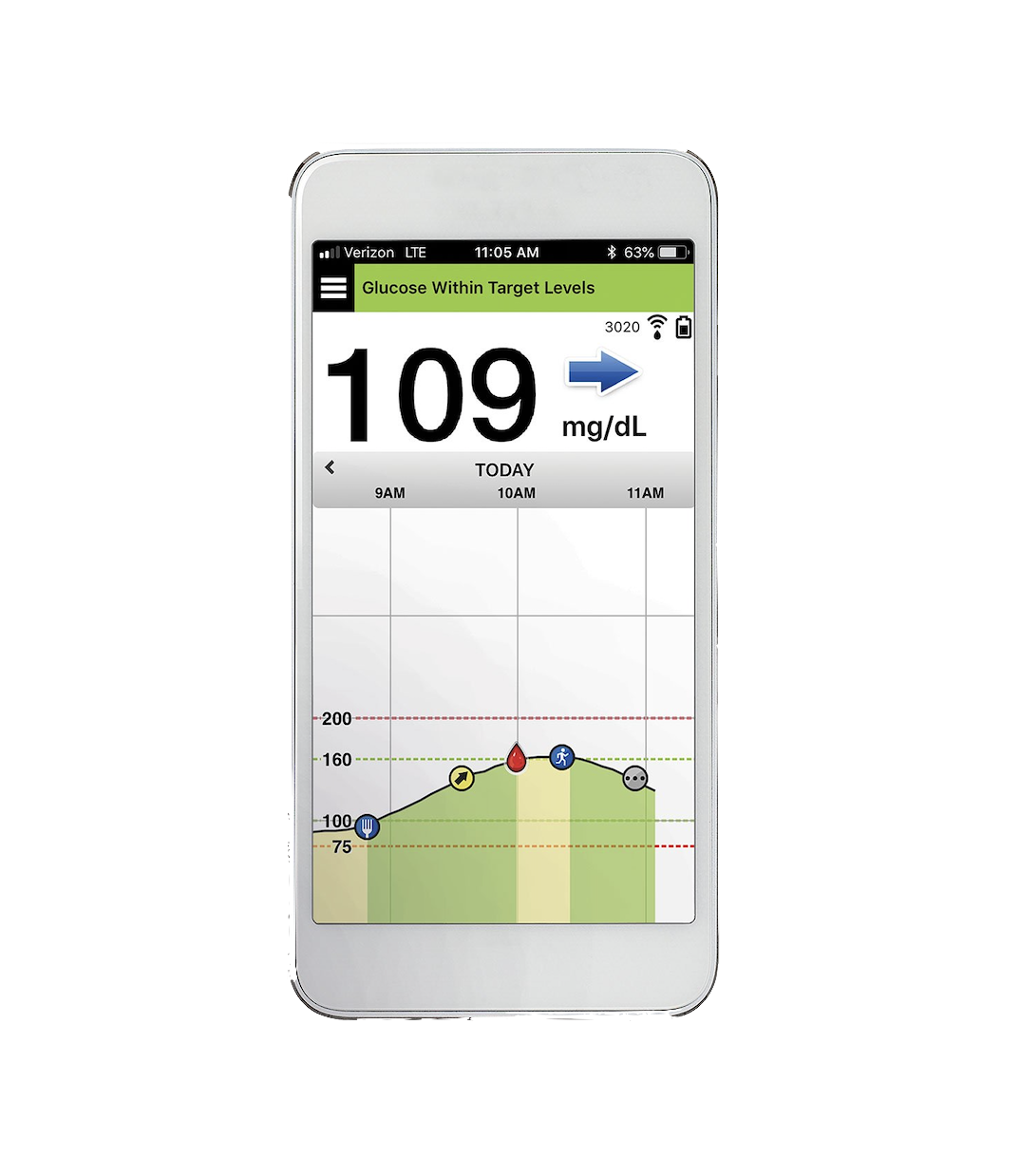
Receiver
Real-time glucose measurements sent to a compatible mobile-device or smart watch. No need for a separate receiver. Available for both iOS and Android devices.
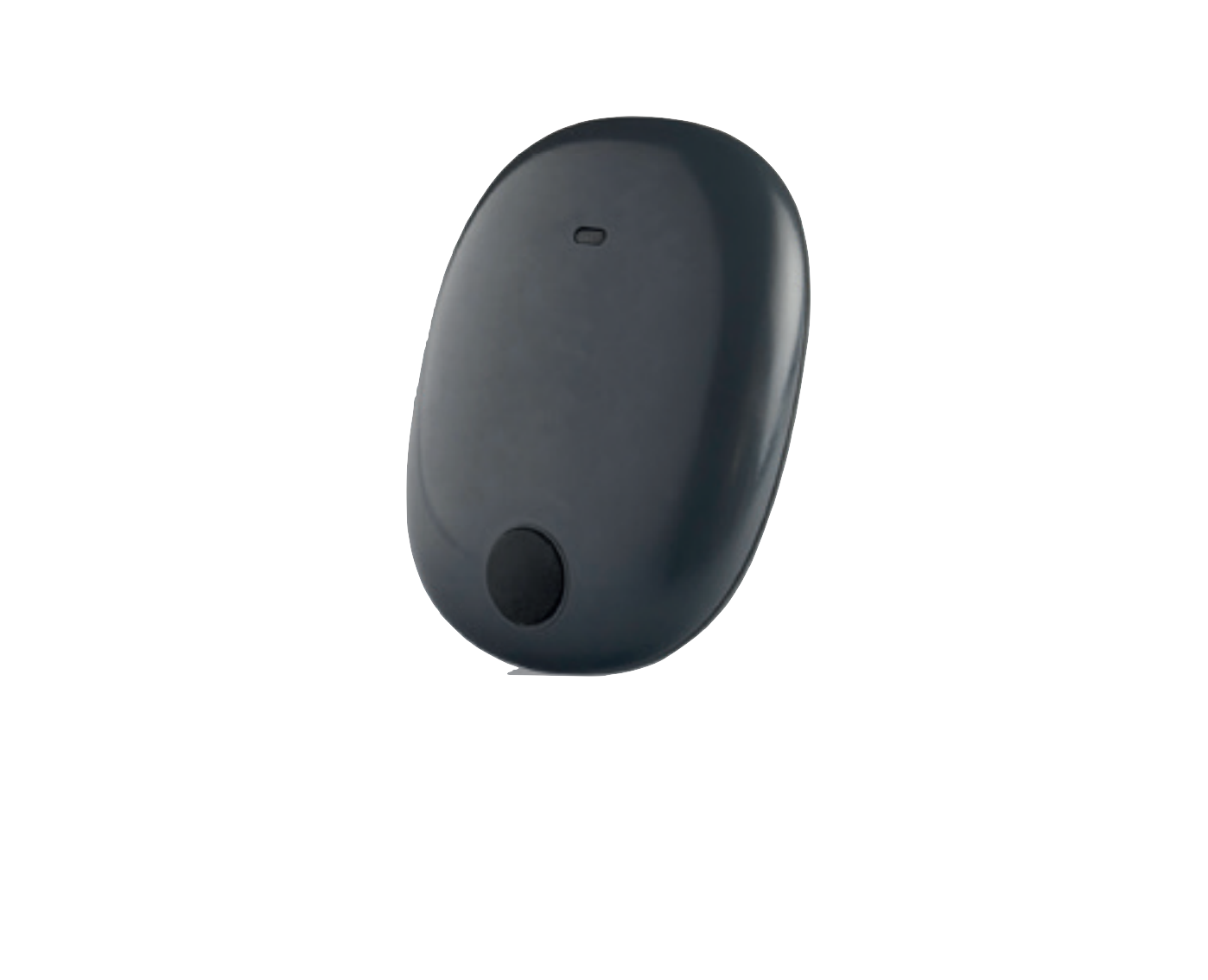
Transmitter
Transmitter sits outside of the body and is held on by an adhesive. Sends data every 5 minutes to a connected mobile device.
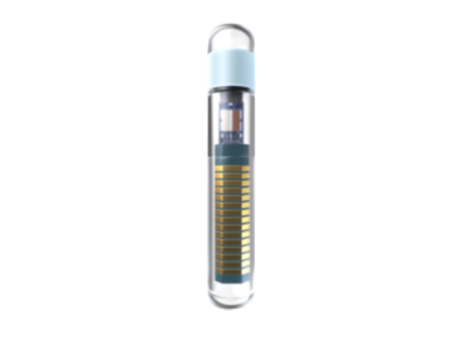
Sensor
Professionally inserted by a physician during a medical visit. Minor procedure.
Device Details
Overview
Disposable, all-in-one CGM sensor integrated with Medtronic’s pump systems
Very small implantable sensor but large transmitter must be worn on top of the skin.
Affordability and Access
$$$$
Coverage depends on region and insurance; supplied via DME or specialty pharmacy.
$$$$
Sometimes covered. Insertion and removal require a Health Care Provider. Insertion costs $100-$300, and removal costs $100-$400. Sensor and transmitter cost $800-$1400.
Data Monitoring Options
Yes
Data streams directly to the pump; users and clinicians can view trends and logs via Medtronic’s platforms.
Yes
CGM data can upload automatically to the web-based Eversense data management system (EDMS) from the Eversense mobile app.
Data View Options
Yes
Data view directly on your connected pump or smart device.
Yes
Eversense mobile app receives and displays data in easy-to-read charts and graphs that can be shared with family and friends through the Eversense NOW app.
Duration and Storage
6 Days
Sensors last 6 days, with a 24-hour grace period, and need about 2 hours to warm up. They work between 41°F – 104°F and should be stored between 36°F – 86°F. They are usually shipped in 1–3 month supplies, which is about 5–15 sensors at a time.
365 Days
Sensor lasts 365 days, but a physician must implant it. Transmitter must be charged daily.
Vision / Auditory / Dexterity
YES text to speech
YES vibration alerts
Multiple sound sources
Moderate dexterity needed
YES text to speech
YES vibration alerts
SOME dexterity needed
Patient Considerations
Active Lifestyle
Compact and integrated. Reducing bulk; compatibility with daily activities depends on the adhesive and body movement. Water-resistant up to 8 feet (2.4 m) for 30 minutes.
Water-resistant transmitter when submerged in 1 meter of water for up to 30 minutes and must be within 25 feet of the connected smart device.
Avoiding Highs and Lows
SmartGuard closed-loop. Pump adjustments use sensor data continuously to reduce highs and lows.
On-body vibration alerts when blood glucose levels are higher or lower than the set range. Trend arrows show the direction glucose is heading, with the rate of change.
Comfort
Low profile. No overtape needed and one-hand insertion.
Longest-lasting sensor fits comfortably under the skin. Minor procedure is required. Least likely to have compression lows.
Easy Insulin Dosing
SmartGuard technology. When paired with the MiniMed 780G, it automatically adjusts basal and gives correction boluses based on sensor readings. In manual mode, glucose values can guide dosing decisions, but fingersticks are required for confirmation.
Predictive alerts make insulin dosing easier by tracking high and low trends.
Easy to Use
All-in-one. Eliminates the need for a separate transmitter, simplifying sensor changes (although more frequent due to the 6-day wear).
Minor procedure. Requires insertion by a physician during a medical visit.
Fewer Fingersticks
Calibration is optional. Perfect if you like having that choice.
2 daily finger-sticks are needed to calibrate the sensor.
Privacy
Small and integrated, but visible on the back of the arm. No separate transmitter reduces the number of visible parts. Alerts and alarms can be adjusted for discretion.
Somewhat discreet. Tiny sensor is implanted under the skin, so the user can be discreet when needed. Ability to see sugar on watch or phone. Sensor not movable on body and requires regular meter use.